
The KILN PROJECT
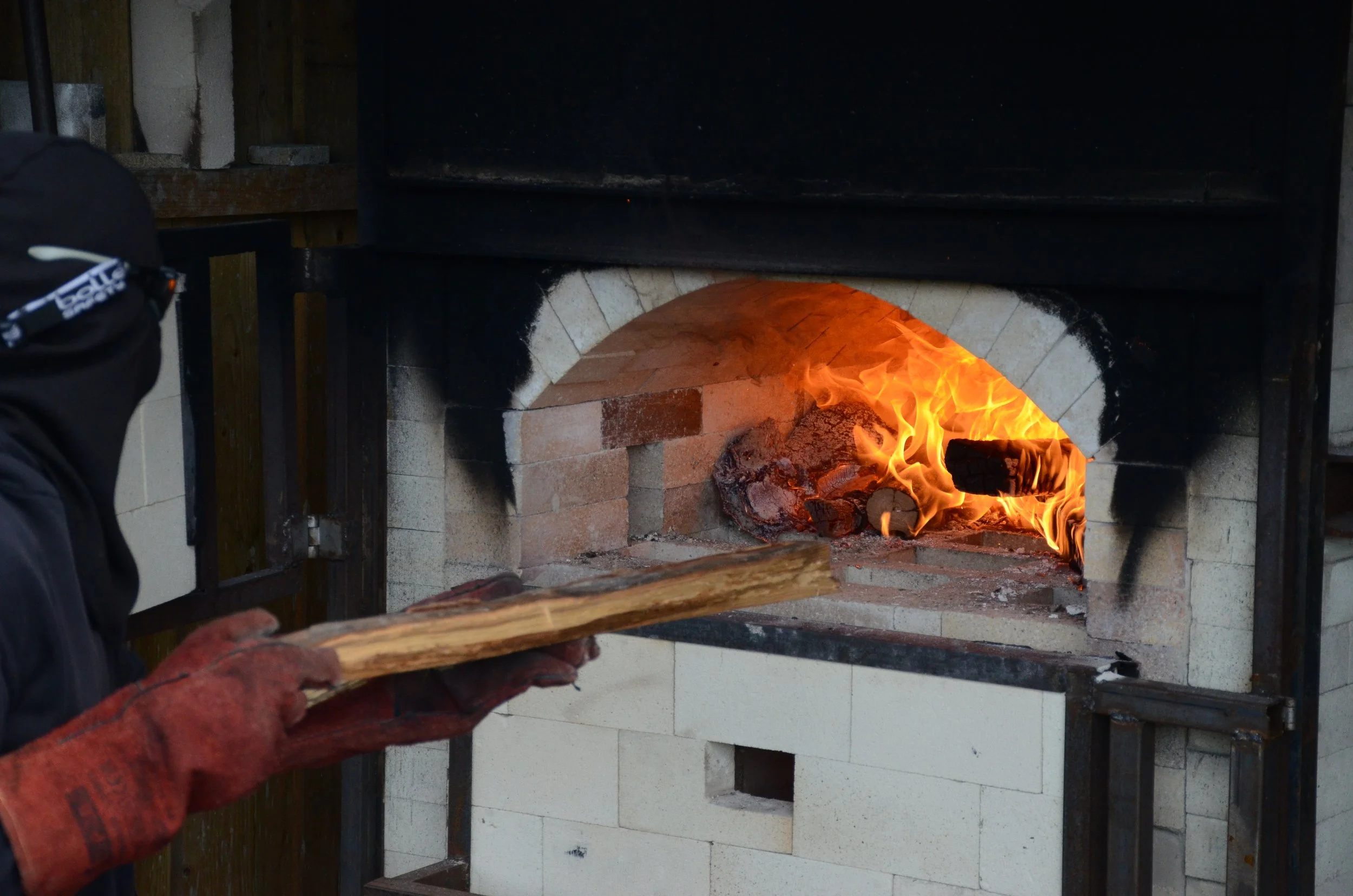
A Project, for potters by potters.
The kiln project Is an ongoing project that aims at building a free plateform dedicated to kilns, their history, their engineering and more.
The project’s origin
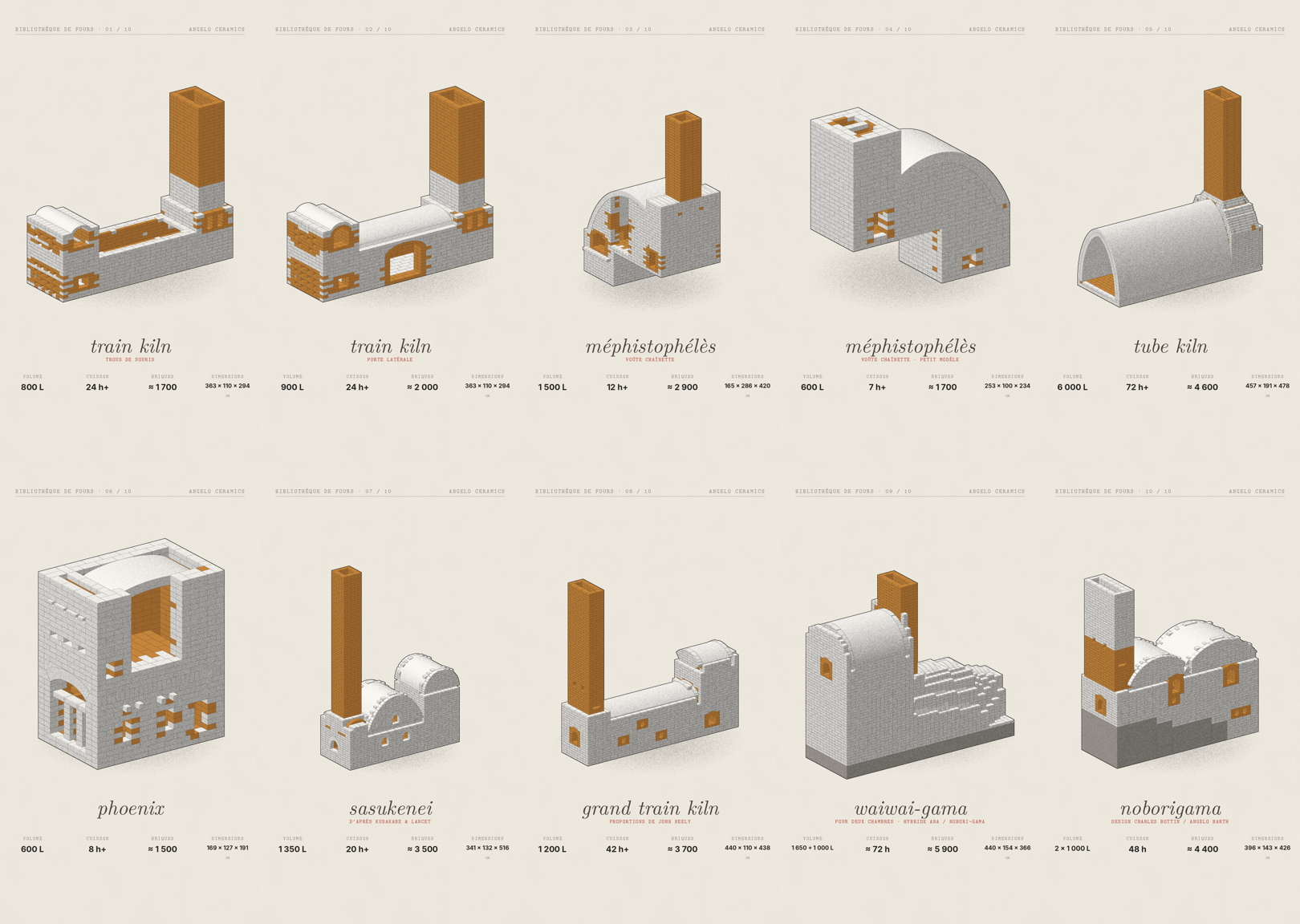
This project grew out of a simple observation: there is very little information available about wood-fired kilns, how they are designed, their history, and the people behind them. To start addressing that, I began mapping kilns brick by brick as a way to archive this knowledge. Soon a new question came up: how do I share these archives?
Too often, kiln plans are passed from one potter to another with no context and no word from the person who designed them. So I decided to build a free platform that gives access to how these kilns are designed, and also places each one in its historical context with a critical analysis from an engineering point of view.
How to help ?
This project is by the community, for the community, and there are many ways to take part. To understand how you’d like to contribute, we’ve created two forms: one about kiln design and one about participating in the project. Fill out the one that interests you and we’ll get in touch shortly!
Every kiln has a story. Help us tell it.
About Sharing Plans
We often receive requests for kiln plans, and we understand why. But we won’t be sharing any plans before the platform launches.
The goal of this project is not to add more plans to the ones already circulating. It is to organize this knowledge, put each kiln in its context, and trace where it comes from: who designed it, what it was adapted from, how it fires, and what the people who run it have learned. A plan without that context is exactly what we’re trying to move away from.
When the platform opens, every kiln will be published with its history, its analysis, and the voices of the people behind it. Until then, thank you for your patience. If you’d like to help us get there faster, you can contribute through one of the forms.
Supporting the project
This project relies on people and institutions who share our interest in preserving and understanding wood-fired kilns.
If you represent an association, a museum, a school, a research center, an archive, or any organization of this kind, we’re open to collaboration. That might mean sharing documents and collections, co-organizing research or surveys, hosting events, or supporting the project’s development.
You may also know someone who could help: a kiln builder, a historian, an engineer, a potter with decades of firings behind them, or an organization working on related subjects. We would be very grateful if you could put us in touch.
Every introduction helps us document more kilns, and document them better.